The Feeder Birds of Christmas
By Myrna Pearman, Mother Nature’s Naturalist and Backyard Birding Expert
Not only do winter birds bring joy and brightness to this damp, dark season but they also hold a unique distinction among our avian friends because they have been watched and counted for more years than any other cohort of birds!
Thanks to the vision of Mr. Frank Chapman, a pioneering ornithologist and leader with the Audubon Society, the once prevalent and barbaric custom of hunting birds during the holiday season was thoughtfully replaced by a more compassionate and scientific method: counting them. This change led to the establishment of the first annual Christmas Bird Count (CBC) in 1900.
Today, the CBC stands as the largest and most comprehensive bird census in the world, involving tens of thousands of volunteers across the globe. These counts, which are conducted in pre-assigned 24-km circles, can take place anywhere: in wilderness areas, out on the ocean, around wetlands and lakes as well as in parks, urban and rural neighbourhoods, and- of course – at backyard bird feeding stations. The Christmas Bird Count is an opportunity for residents of all ages and backgrounds to connect with nature, contribute to citizen science and embrace the winter season. Watching and counting birds at backyard bird feeding stations is also a wonderful way to engage children in nature observation and appreciation.
Christmas Bird Counts take place between December 14th and January 5th. The Victoria CBC will be held on Saturday, December 20. For a list of other British Colombia counts, check out https://naturevictoria.ca or https://motmot26.wixsite.com/christmasbirdcount, or contact victoriacbc@naturevictoria.ca. For detailed information about feeder birds and feeder bird counting, check out Project FeederWatch https://feederwatch.org/.
The following are some of the common “Feeder Birds of Christmas” on the lower Mainland.
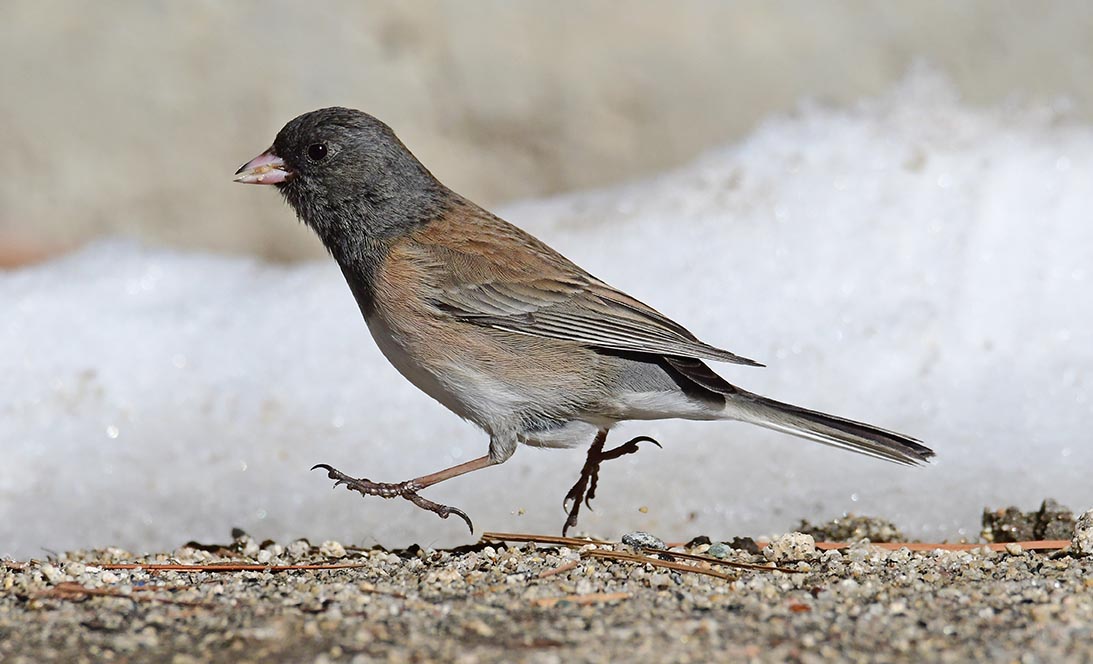
Dark-eyed Juncos - are the most abundant and widespread year-round resident feeder bird species in British Columbia! These quiet little sparrows spend more of their time in the shrubbery or on the ground, picking among the seeds that have fallen from hanging feeders. They primarily dine on millet and sunflower chips.
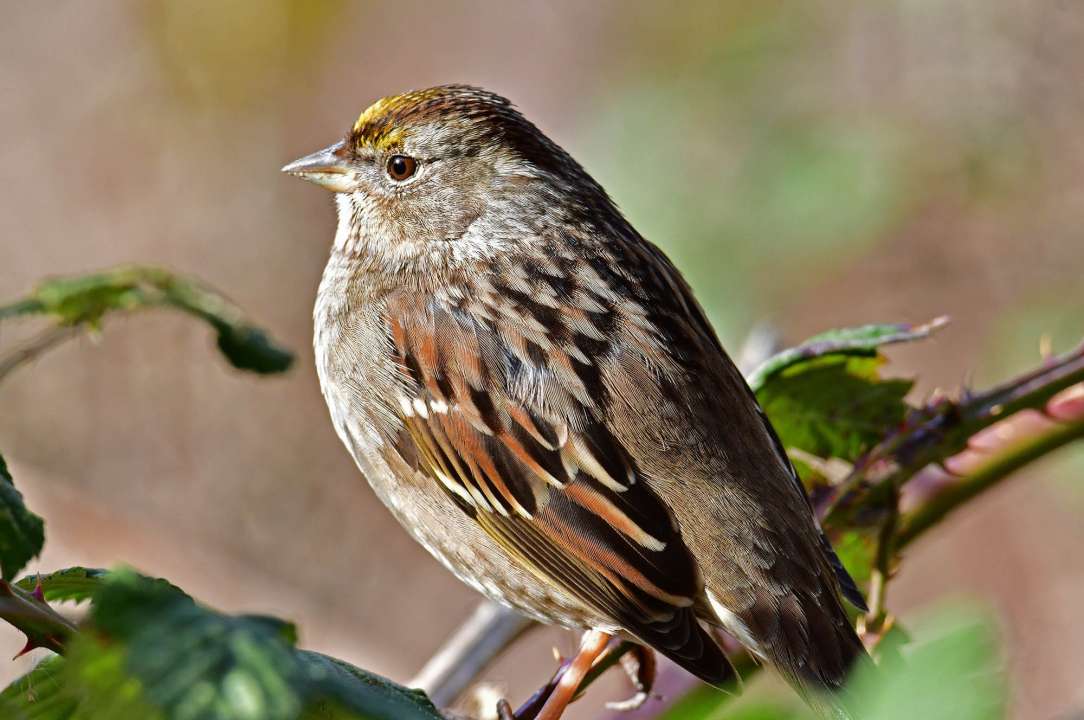
Song Sparrows – ranked number three among feeder birds in the province in 2024, these are also birds of the thickets and shrubby areas and also like to forage on the ground around feeding stations. Like juncos, they prefer millet and sunflower chips, but will also eat safflower seeds and cracked corn.

Black-capped Chickadees – ranked number four in 2024, chickadees are common and beloved backyard birds. They often set up their winter territories to encompass bird feeding stations, where they dine on sunflower seeds (shelled or unshelled), shelled peanuts and suet/suet mixtures.

Red-breasted Nuthatches - are common feeder patrons and were ranked as the sixth most common feeder species in 2024. They relish sunflower seeds, (unshelled and shelled), chopped nuts, peanuts (shelled or unshelled) as well as suet and suet mixtures. They prefer to dine on seeds at hopper and tube feeders and will peck away at suet that is offered from hanging feeders.
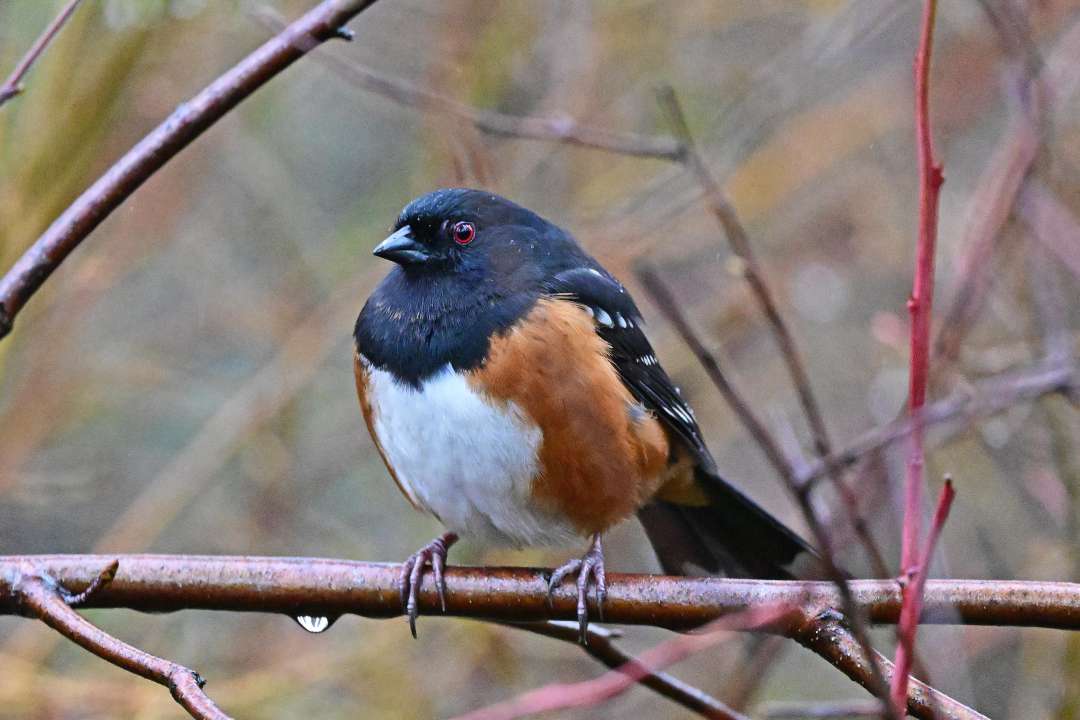
Spotted Towhees – these large and beautiful sparrows, which ranked as the seventh most common feeder species in 2024, are ground feeders that prefer to dine on shelled or unshelled sunflower seeds, cracked corn, peanut hearts and milo.
Have more questions? Visit your local Buckerfield's and we'll be happy to help!