Springtime in BC
By Myrna Pearman, Mother Nature’s Naturalist and Backyard Birding Expert
It’s springtime in BC! April has banished the winter gloom, replacing it with greenery, blossoms, sunshine and warm temperatures. Birdsong fills the air and the nesting season will soon be in full swing.
Some of the birds that faithfully visited your feeders during the winter and early spring will still be around, but most have turned their attention to the delicious insects that are starting to emerge. There is no need to stop feeding the birds in April, even though natural food sources are abundant. If you have enjoyed Anna’s Hummingbirds over the past months, they too will be exploring the blossoms in your yard for both nectar and tiny insects.
While most of your backyard birds have long left their winter flocks/winter feeding areas to set up their breeding territories elsewhere, some will likely have decided to set up their nesting territories that encompass your feeding stations! Enjoy watching them feed and be prepared for them to also bring their young families to dine at your feeders.
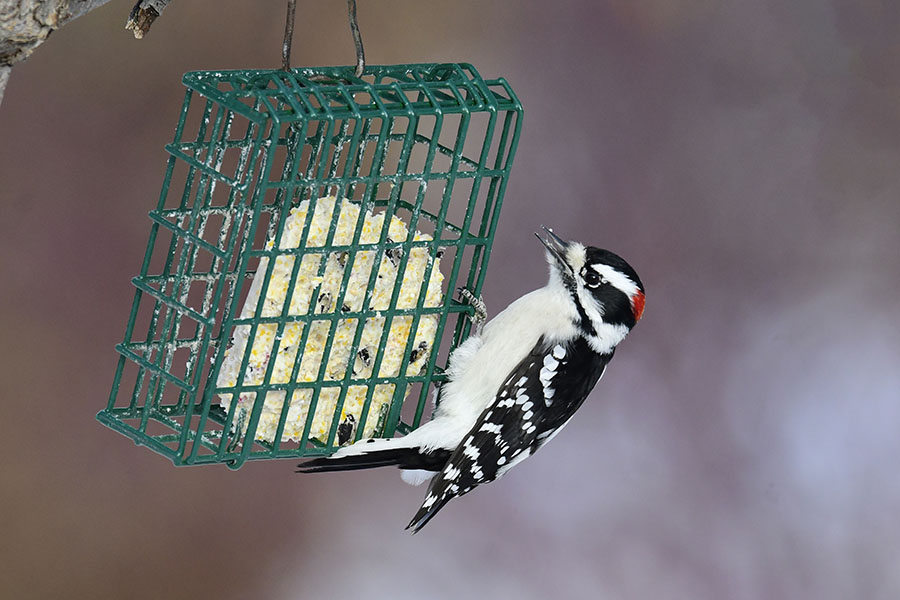
Downy Woodpecker
Maintain a few feeders during the late spring and summer with high quality Mother Nature’s birdseed and Buckerfield’s blends and keep at least one suet cake out for the Bush Tits, chickadees, nuthatches and juncos. Remove excess feeders if usage is waning. Wash those other feeders with a weak bleach solution before storing them away in a dry location for the summer.
Keep an eye on the hummingbirds and add/reduce feeding stations as necessary. Remember that one male can dominate many feeding stations within his line of sight, so try to position your hummer feeders so they are not visible to each other. Watch the fluid levels in the feeders so you can keep them topped without letting the solution spoil.
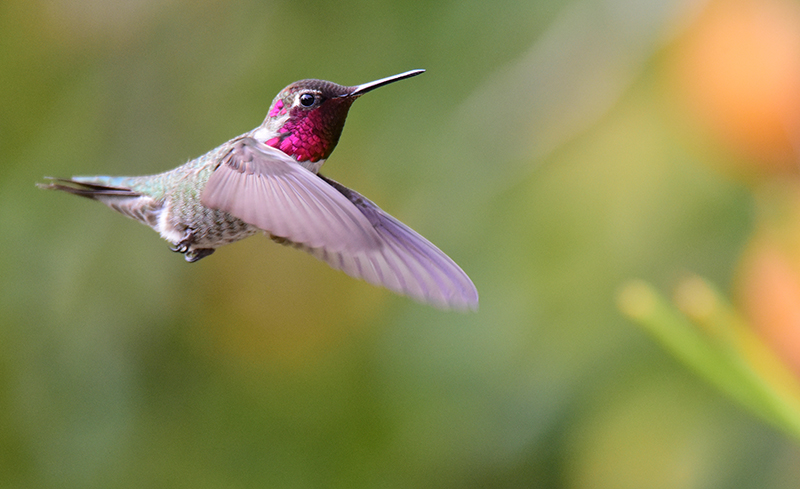
Anna's Hummingbird
Dry, sunny days in April are ideal times to clean up all the accumulated bird feed mess on the ground and deck areas. Sweep and rake up the spilled seeds and shells, and use a weak bleach solution to clean railings, outdoor furniture and deck areas that might be spattered with bird droppings. If you have served whole sunflowers, there will be huge piles of discarded shells. Sunflower hulls contain a growth inhibitor, so do not add these hulls to your compost or gardens. Bag and discard them with your household garbage.
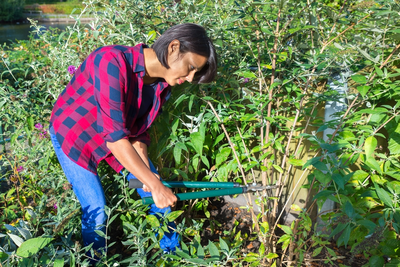
April is a good month to finalize your garden design and get ready to plant! There are lots of resources available that highlight the best plants in your area for hummingbirds and provide lists of the best wildlife-attracting trees, shrubs, perennials, annuals, vines and ground covers. Remember, the best way to support biodiversity is to eschew the use of cosmetic pesticides and to create natural food sources for your backyard neighbours. Since plantings can be expensive—and trees and shrubs can grow to be larger than expected—choose both the species and their placement carefully. A few containers of wildlife-attracting annuals or perennials will add visual interest and bring in birds (especially hummingbirds) to even the smallest yards and apartment balconies.
Don’t forget about offering water! Birds need water to drink and bathe, and water will attract species into your yard that are not interested in your bird feeders. Water can be offered in the form of mud (for the butterflies, robins and swallows), shallow bird baths, fancy water features complete with waterfalls and built-in recirculating pumps, and/or water gardens. The sound of moving water adds a sense of tranquility to a backyard or deck and is a magnet for birds. A home-made water feature fashioned from a large tray, a small aquarium pump and strategically placed rocks will be just as attractive to the birds as an expensive commercial product.
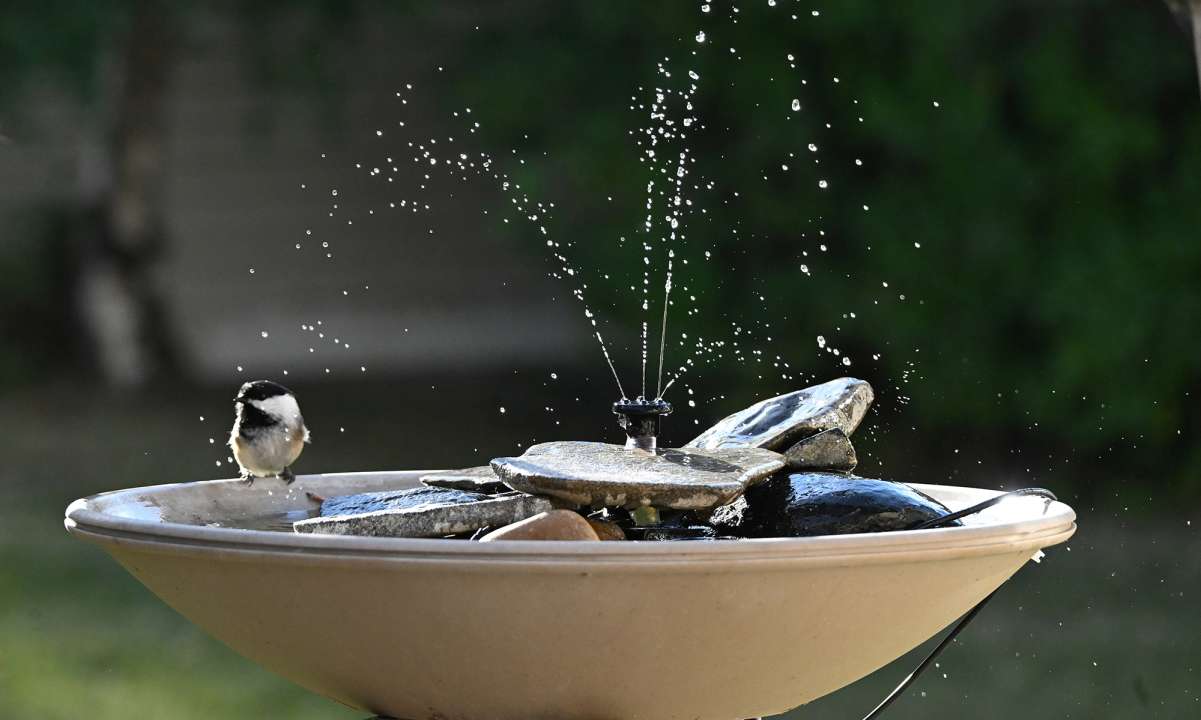
Black-capped Chickadee
To round out your habitat offerings of food and water, consider how you can complement natural shelters (e.g., dense shrubbery) with nesting boxes, bat boxes and bee blocks. Check your local Buckerfield’s store for a wide selection of different wildlife homes.
Have more questions? Visit your local Buckerfield's and we'll be happy to help!