
October: When Chickadees Redraw the Map
By Myrna Pearman, Mother Nature’s Naturalist and Backyard Birding Expert
October is a bridge month between the sweetness of September and the nastiness of November. Although the days get noticeably shorter, the nights get decidedly cooler and winter dreariness can descend, it is just another month in the lives of our wild avian neighbours.
By October, most non-resident breeding birds have already departed and migrants have moved through, all headed to warmer southern climes for the winter. Left behind are a few late migrants (e.g., American Robins) and the resident species, specifically those that can adjust their diets and behaviour to survive the cold, wet/snowy months ahead.
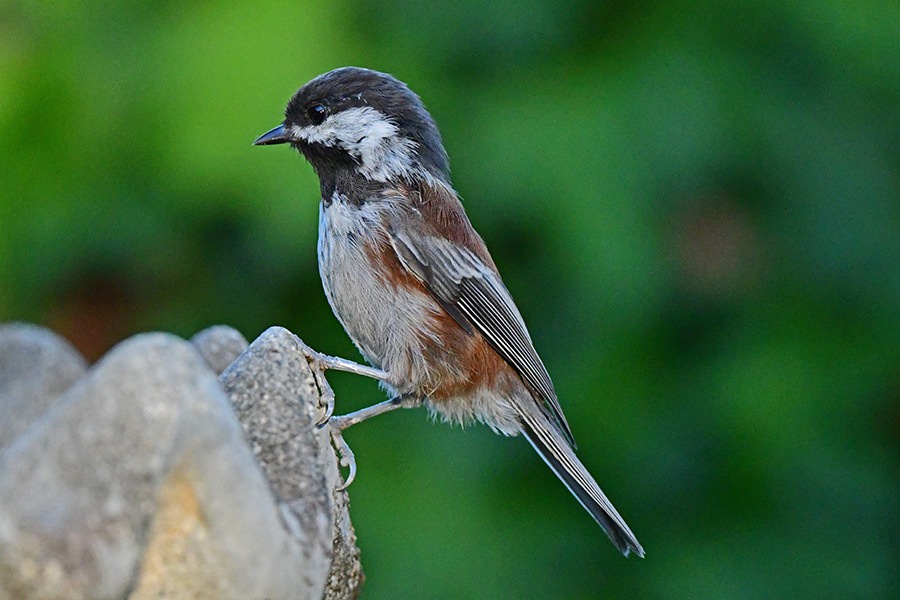
One fascinating aspect of bird behaviour is territoriality. A bird territory is an area that an individual/pair/colony of birds defend(s) against other birds and predators in order to retain access to its resources. Territories come in various shapes and sizes, depending on their components, the time of year, and the purpose for which they are required. During the spring and early summer, territories are defended for mating, nesting and feeding. During the winter, territories that provide adequate forage and areas for roosting are established and often vigorously defended against others.
Chickadees provide a fascinating glimpse into fall behavioural and territorial changes. During the nesting season, a pair of chickadees defend a small nesting territory of about 1.5 to 3 ha. Once the young have fledged, the pair bonds dissolve and the boundaries they once so actively defended become more fluid. By autumn, individuals join up with others to form small winter flocks of 4 to 12 birds that together eat, live and sleep together in a larger (8-10 ha) winter territory. They may also join other species, such as nuthatches, kinglets and creepers, to feed and travel in mixed flocks.
Prime chickadee winter territories contain lots of food. Not surprisingly, they look for areas with plenty of seed-bearing plants and insect-bearing conifers as well as well-stocked backyard bird feeding stations. Apparently, territories that contain night-roosting cavities (e.g., old woodpecker holes) are also favoured.
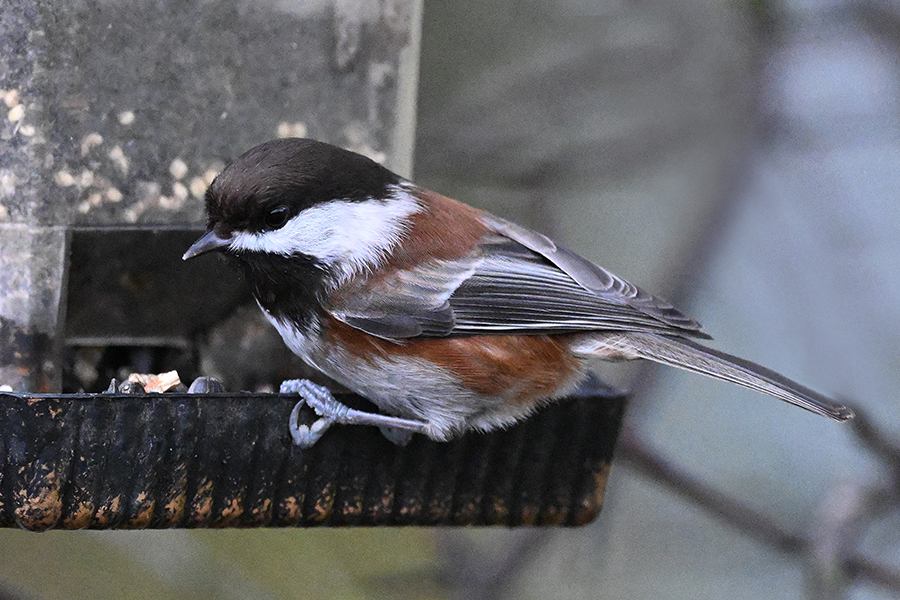
To complement the nourishment their find on their daily feeding forays within their territories, chickadees—like many other winter species—help ensure survival during future lean times by caching thousands of seeds and other food morsels during the late summer and early fall. This caching behaviour is often concentrated around reliable food sources, such as bird feeders.
I have often been alerted to nearby chickadees by their animated and vigorous dee-dee-dee calls. While the object of their wrath is sometimes a sleepy owl, vigorous calling often results when two different flocks meet at territorial boundaries and have animated arguments over boundary details!
Keeping your fall feeders well-stocked with seeds, seed blends, peanuts and suet will encourage your local chickadees (and other feeder birds!) to include your yard within the boundaries of their winter territories. A win-win for both you and the birds.
Have more questions? Visit your local Buckerfield's and we'll be happy to help!